Wednesday, 31 January 2018

The dollar keeps weakening. Is that good news for the world?

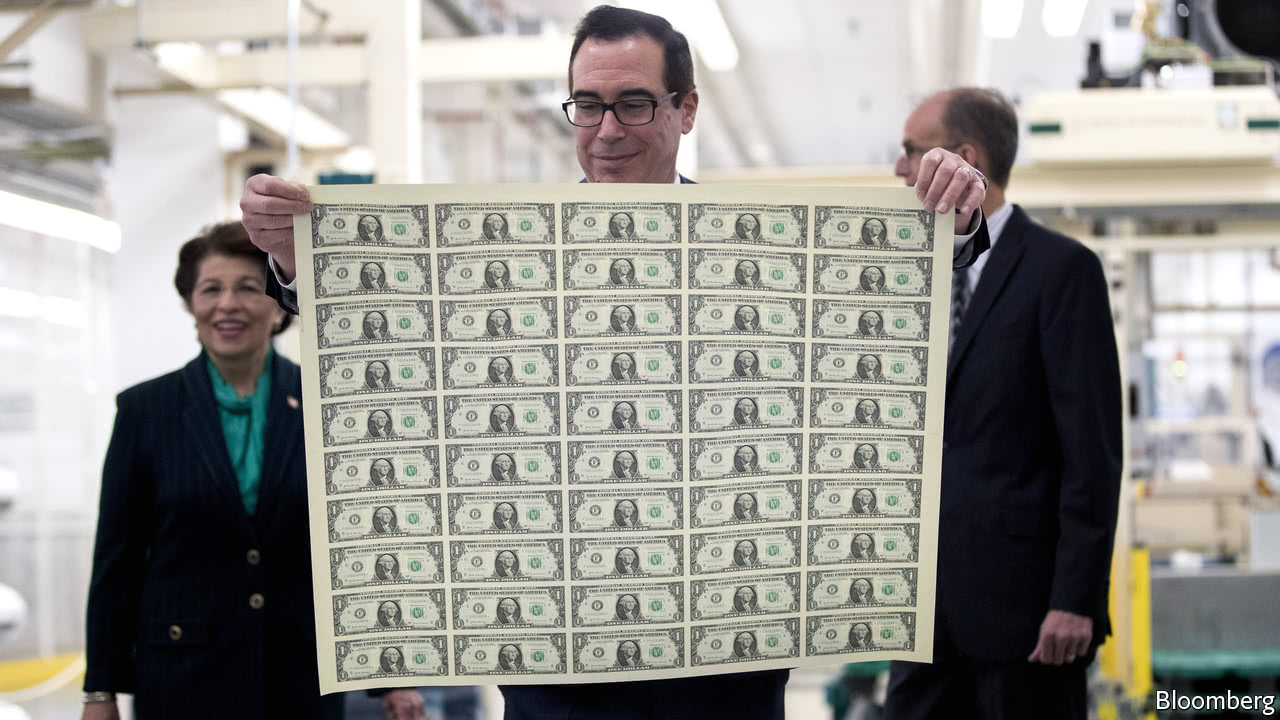
AT THE start of 2017, just before Donald Trump was inaugurated as president, a survey of fund managers by Bank of America Merrill Lynch (BAML) found they believed that being positive on the dollar was “the most crowded trade”. It turned out they were right to be cautious. On a trade-weighted basis, the currency has fallen by 9% against other major currencies in the past year.

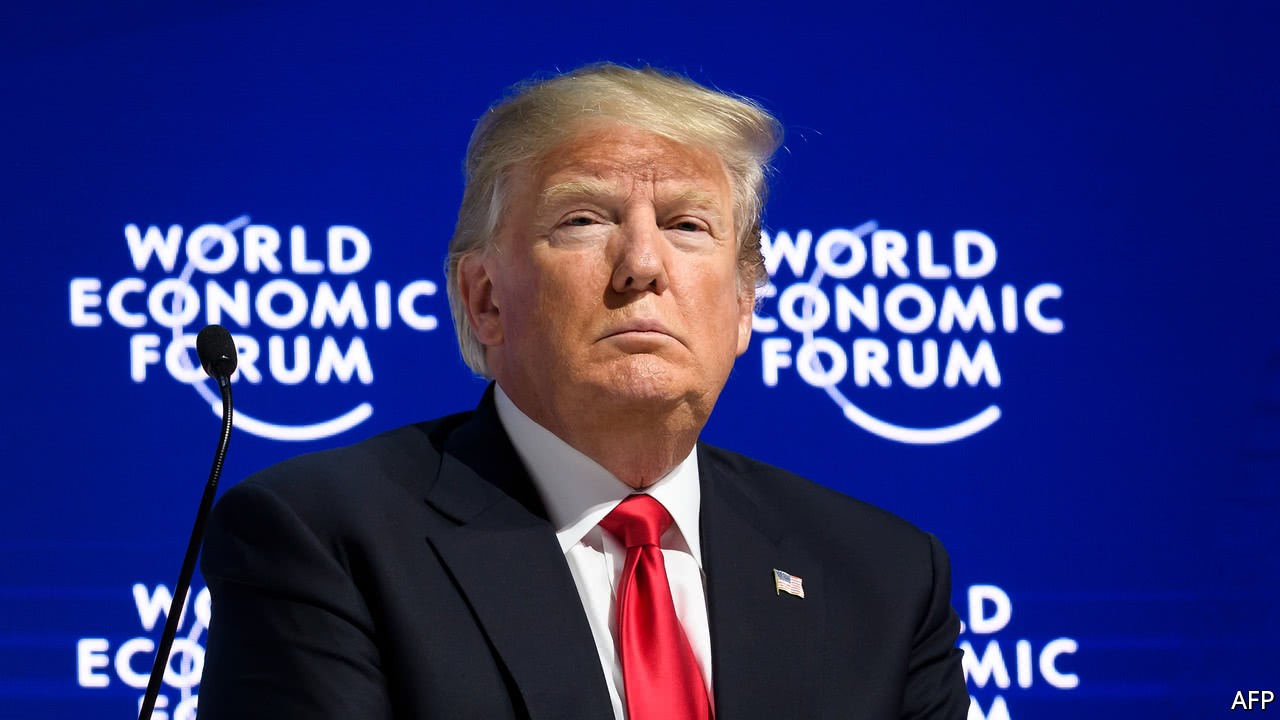
It is not clear what the Trump administration thinks about this. At the recent World Economic Forum in Davos, Steven Mnuchin, the treasury secretary, said: “Obviously a weak dollar is good for us as it relates to trade and opportunities.” Although the rest of his statement was more nuanced, it is unusual for anyone in his position to depart from a “strong dollar” line. The greenback duly fell in price.

Mr Trump then followed up with a statement in favour of a strong dollar in the long term, which caused a rebound. Since it was only last April that he referred to the dollar as being “too...Continue reading

from Business and finance http://www.economist.com/news/finance-economics/21736110-it-all-depends-reasons-greenbacks-lack-fizz-dollar-keeps?fsrc=rss
http://cdn.static-economist.com/sites/default/files/images/2018/01/articles/main/20180203_fnp502.jpg

Tuesday, 30 January 2018

A travel agent is trying to charge fees for sunbeds

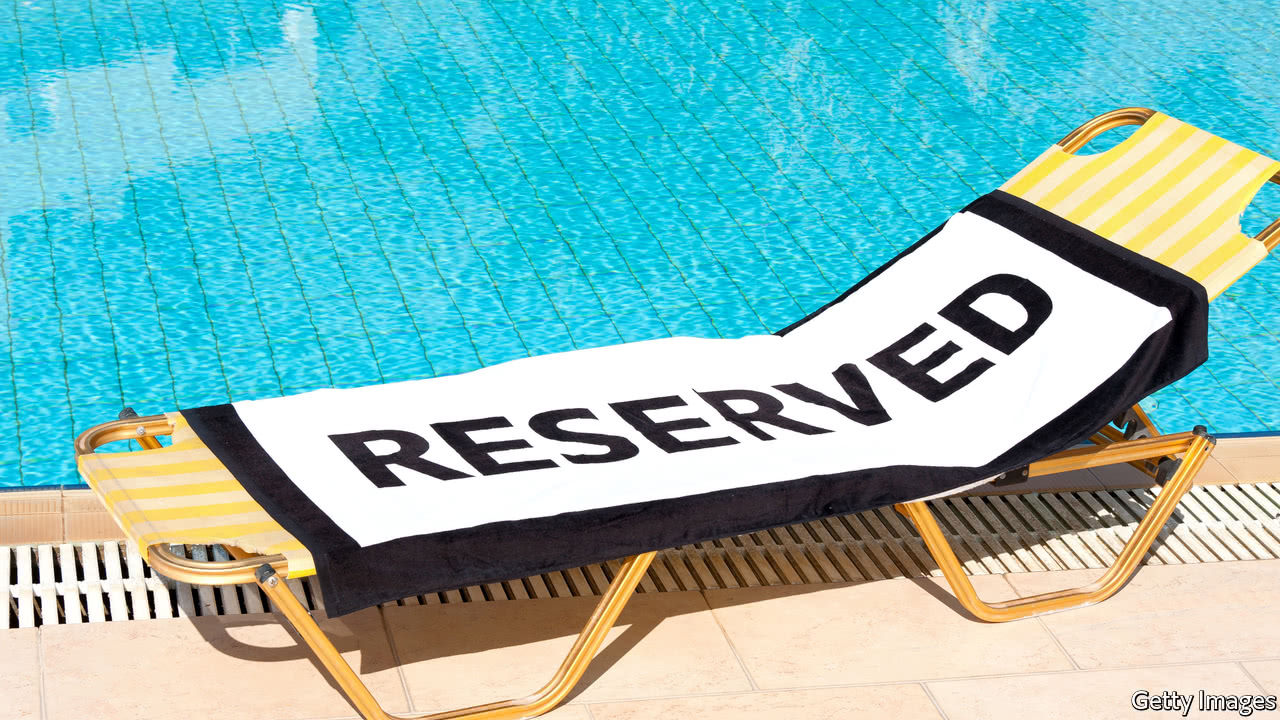
IN KEEPING with the trend for charging for things travellers used to get free, it should perhaps come as no surprise that sunbeds are the latest feature of a standard holiday on which travel agents are slapping extra fees. Thomas Cook, a British package-holiday firm, has announced that it will allow holidaymakers to pre-book poolside loungers for £22 ($31) per person. Six days before the start of a trip, travellers will get an email offering them the chance to reserve specific sunbeds. The booking tool will include a map that allows people to see where the sun will shine at various times of day. The experiment will start in late February at three hotels on the Canary Islands and will expand to 30 hotels this summer. 

To some holidaymakers, this will seem like yet another attempt by the travel industry to get money from every source possible. Airlines, for instance, made $82bn in add-on fees last year alone, according to IdeaWorksCompany, a research firm. Over the past few years, both full-service and low-cost airlines have introduced...Continue reading

from Business and finance http://www.economist.com/blogs/gulliver/2018/01/place-sun?fsrc=rss
http://cdn.static-economist.com/sites/default/files/20180203_WBP501.jpg

Why don't foreign investors take fright more often?

BACK in the days of the gold standard, central bankers were very concerned about the views of international investors. They believed that maintaining the value of their currencies would reassure creditors. That is why they were so resistant to the idea of floating currencies. Georges Bonnet, a French finance minister, put it best

Who would be prepared to lend with the fear of being paid in depreciated currencies always before his eyes?

This fear still shows up from time to time. Under the old exchange rate mechanism, countries like Italy would undergo periodic devaluations to restore their competitiveness*. As a result, investors would demand a higher bond yield to compensate for this risk. When the single currency was planned, bond yields slowly converged on the German level as the risk of devaluation disappeared. It popped up again in 2011 and 2012 as investors feared some countries might drop out of the euro and reintroduce domestic currencies; that would have required a partial default. (Of course,...Continue reading

from Business and finance http://www.economist.com/blogs/buttonwood/2018/01/bond-mystery?fsrc=rss
http://cdn.static-economist.com/sites/default/files/20180203_FNP501.jpg

How to board a plane without a boarding pass

EARLIER this month a woman arrived at O’Hare International Airport in Chicago without a ticket, boarding pass, or passport and flew to London. Prosecutors claim she did this by sneaking past officials from the Transportation Security Administration, a government agency responsible for airport security, while they were inspecting other travellers’ boarding passes. She was briefly thwarted when she tried to do the same thing at the boarding gate for a flight to Connecticut. But the gate agent caught her and asked her to sit down. After spending the night in the airport, she took the shuttle to the international terminal—again without the required boarding pass and passport—and got on a British Airways flight to Heathrow, where she was arrested on arrival.

The woman, 66-year-old Marilyn Hartman of Illinois, has done this before. In fact, she has been convicted of criminal trespassing at O’Hare four times over the past few years. Ms Hartman’s lawyers have attributed her behaviour to mental-health issues. She has never appeared to pose...Continue reading

from Business and finance http://www.economist.com/blogs/gulliver/2018/01/free-bird?fsrc=rss
http://cdn.static-economist.com/sites/default/files/20180203_BLP503.jpg

Friday, 26 January 2018

Why drones could pose a greater risk to aircraft than birds

THE “Miracle on the Hudson”—the successful ditching of a US Airways jetliner into New York’s Hudson River in 2009 after it hit a flock of geese—taught frequent flyers two things. First, it really is possible to land an aircraft on water, just as is shown on seat-back safety cards. Second, and more worryingly, the incident showed how dangerous birds can be to aircraft, particularly when they get sucked into engines. The machines are supposed to be designed to withstand an impact by the feathered creatures. Using big guns, chickens have been fired at aircraft engines in safety tests since the 1950s. But what about drones?

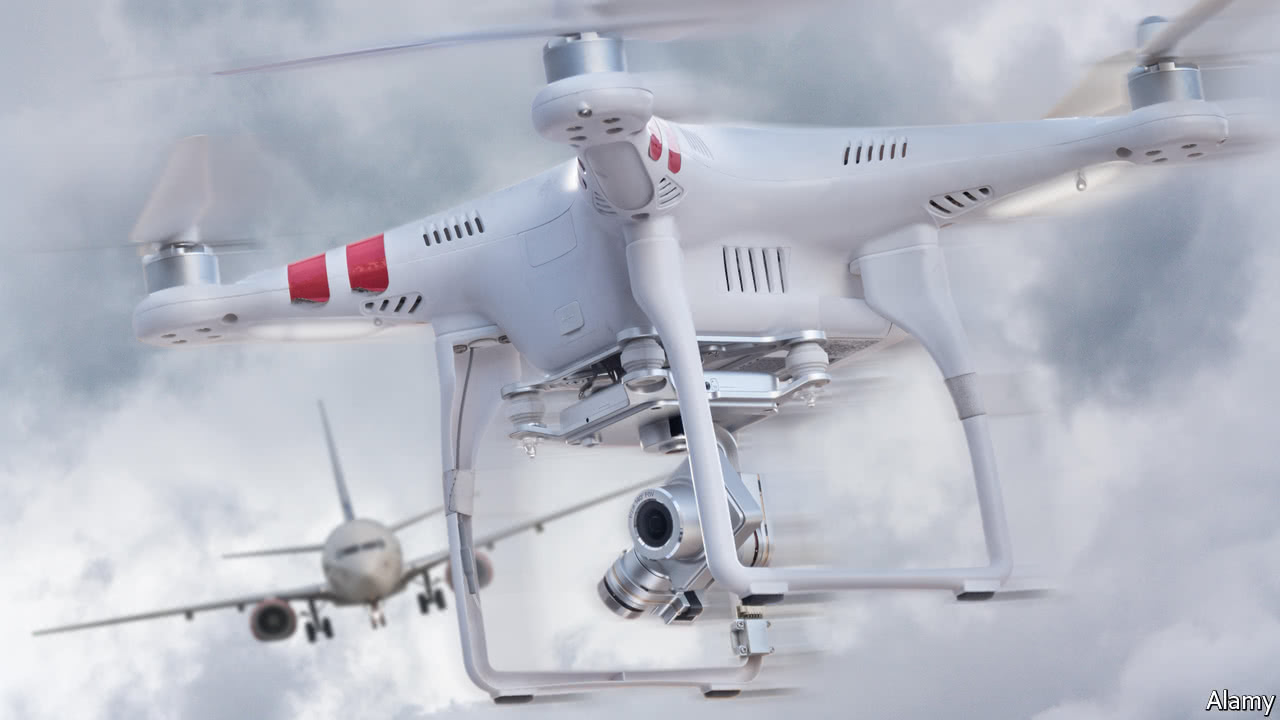
New research suggests that small unmanned aerial vehicles (UAVs) can actually be much more damaging than birds at the same impact speed, even if they are a similar weight. The study, published by the Alliance for System Safety of UAS through Research Excellence, a think-tank, used computer simulations to examine the impact of bird and UAV...Continue reading

from Business and finance http://www.economist.com/blogs/gulliver/2018/01/ruffling-feathers?fsrc=rss
http://cdn.static-economist.com/sites/default/files/20180127_BLP505.jpg

GE’s flow of financial information has become fantastically muddled

IN THEIR documentary “The Vietnam War”, Ken Burns and Lynn Novick, the directors, dwell on the flawed information that American politicians got from Indo-China. The generals on the ground focused on the “kill ratio”, or the number of enemies killed per American or South Vietnamese soldiers killed. That bore no relationship to victory—North Vietnam quickly replaced its dead soldiers. And it corrupted behaviour, leading American troops to embellish numbers and count dead civilians as “wins”.

The curse of rotten information can strike companies, too. That seems to be the case with General Electric (GE), which has had a vertiginous fall. Its shares, cashflow and forecast profits have dropped by about 50% since 2015. On January 16th it disclosed a huge, $15bn capital shortfall at its financial arm due to a revision in insurance reserves. And on January 24th it revealed a $10bn loss for the fourth quarter. In its core industrial arm, returns on capital have sunk from 20% in 2007 to a puny 5%...Continue reading

from Business and finance http://www.economist.com/news/business/21735594-if-they-are-save-firm-general-electrics-bosses-and-board-need-far-better-information-ges?fsrc=rss
http://cdn.static-economist.com/sites/default/files/images/print-edition/20180127_WBD000_0.jpg